A same-day patch could not move a 42% rating
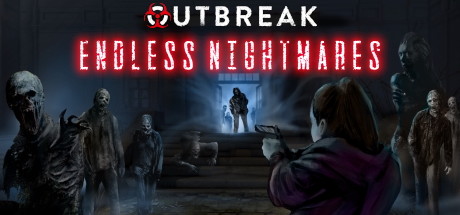
Outbreak: Endless Nightmares received a fresh patch on April 15, 2026 targeting stability and gameplay issues, but the most important signal is what did not change. The game remained at roughly 42% positive reviews on Steam, which kept it in Mixed territory while drifting toward a more durable negative launch narrative.
Track the live data on the game page.
That makes the update relevant for a different reason than the patch notes alone. The issue is not whether the developers shipped fixes quickly. It is that a same-day response was not enough to shift the public score in a visible way during the most sensitive phase of the launch.
This is a recurring Steam pattern, and it belongs squarely in the Steam launch collapse cluster.
Complaint classification: Technical. The dominant player complaints center on stability issues, bugs, and gameplay failures that persisted through the first patch -- not balance changes, monetization, or communication breakdowns.
Why early negative momentum is hard to reverse
The core issue is not just bugs. It is timing. Outbreak's negative sentiment formed during the first 24 to 72 hours, which is when Steam discovery is strongest, reviews are most visible, and player expectations are still being shaped in real time.
Once negative reviews dominate during that opening window, three compounding effects usually follow:
- lower ratings can reduce discovery momentum
- new players interpret friction more harshly when they already expect problems
- negative reviews accumulate faster than they are revised
That last point matters most after a first patch. Even if the update fixes meaningful issues, most early reviewers will not immediately revise their feedback.
The first patch starts the real recovery test
The latest update moves Outbreak into a different phase: post-launch correction. At this stage, one patch matters less than whether it marks the start of a disciplined recovery cycle that players can actually feel over several days.
That is where the article intersects with the Steam review recovery hub. Recovery is still possible, but the visible store-page score now has to fight against an already negative anchor.
What happens next
The opportunity for recovery is still there, but the window is narrowing. If the next 48 to 72 hours bring visibly better recent reviews, then this patch may look like the first step in a credible repair cycle. If they do not, the patch will read more like proof that active development alone is not enough to reverse an early Steam slide.
ReviewBomb verdict
Outbreak matters because it shows the hard version of launch recovery: once a game opens this low, speed alone is not enough. The next visible player experience has to be meaningfully better than the first. The dominant complaint classification is Technical.
For more context, see how the 48-hour Steam trust window shapes launch narratives.
Methodology note: ReviewBomb compares each event against its Steam baseline; How ReviewBomb detects review surges explains the velocity and severity model behind these calls.