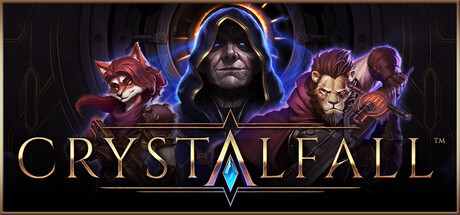
Crystalfall had the right ingredients for a strong PC launch, then immediately hit the worst possible failure point
The clearest PC launch story on April 10, 2026 was not a trailer drop or a late-cycle rumor. It was Crystalfall, a free-to-play online action RPG that entered Early Access on Steam and almost immediately converted interest into distrust.
The setup looked strong going in. The game had already built visible pre-release momentum through Steam Next Fest, and the studio had previously said the demo pushed it past 100,000 wishlists. What players got first instead was access friction.
For the stable tracking destination, use the Crystalfall game page, then compare this day-one story to the later Crystalfall Steam launch collapse article.
This was not just a server problem. It became a confidence problem
Server trouble alone would already have made April 10 a rough launch. The more damaging turn came when the studio separately confirmed that the email step some players were seeing was never intended for the public build.
That changes the narrative in a way pure server congestion does not. Players can understand a smaller online game getting hit harder than expected at launch. They are much less forgiving when the build appears to expose an internal flow that should not have been live in the first place.
For a free-to-play release, that distinction is especially dangerous. There is no purchase price anchoring players to the experience. If the first touchpoint feels unstable or suspicious, many of them simply leave, post a negative review, and move on.
Steam's launch-day feedback loop is now harsh enough to define a game before onboarding really begins
What makes Crystalfall relevant beyond one bad day is how neatly it demonstrates the current Steam launch environment. A PC release now unfolds inside one tightly connected system: visibility, concurrency, store reviews, community threads, and genre comparison all stack on top of each other in real time.
Once the access layer breaks, the platform does not offer much room for a quiet recovery. That is why the story belongs in both the Steam launch collapse and PC launch trust clusters.
What happens next
The key question now is not whether Crystalfall had a bad first day. It clearly did. The real question is whether CRG Studio can move the story from access failure to recovery quickly enough that April 10 becomes a stumble rather than a defining label.
That requires more than status posts. It means consistent login success, fewer disconnects, a clean client flow with no leftover account oddities, and visible proof that retrying players are encountering a meaningfully safer build.
ReviewBomb verdict
Crystalfall matters because it shows how fast a promising Steam debut can move from visibility to distrust when the first thing players experience is not the hook, but the infrastructure collapsing around it.
For more context, see how the 48-hour Steam trust window shapes launch narratives.
Methodology note: ReviewBomb compares each event against its Steam baseline; How ReviewBomb detects review surges explains the velocity and severity model behind these calls.