Stormgate is losing multiplayer - not because of players, but infrastructure
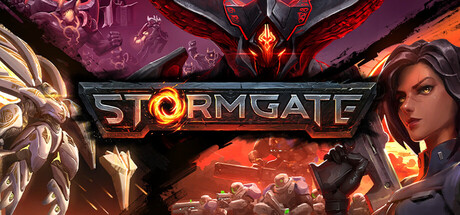
Stormgate, the PC-first RTS designed as a spiritual successor to StarCraft, is losing its online multiplayer support by the end of April after its server partner was acquired by an AI company and discontinued game hosting services. The developer, Frost Giant Studios, is now patching the game to allow offline play instead. That immediately turns this from a game-specific disappointment into a broader PC Launch Trust case.
This is not a typical shutdown driven by low player counts alone. Instead, it highlights a different risk: infrastructure dependency. Stormgate relied on third-party services for multiplayer, and when that provider exited the gaming space, the game's online component effectively collapsed.
For a PC-native RTS built around multiplayer competition, that's a structural blow. Even though offline modes remain, the loss of online functionality fundamentally changes the game's identity.
The situation exposes a growing fragility in modern PC releases: infrastructure is now as critical as the game itself.
PC live-service games are increasingly dependent on third-party infrastructure
Stormgate's situation is becoming more common as developers rely on external services for matchmaking, hosting, anti-cheat, and backend systems. These dependencies accelerate development but introduce long-term risk.
When a service provider changes strategy, is acquired, or shuts down, games can suddenly lose core functionality. In Stormgate's case, the server partner's pivot toward AI infrastructure effectively removed multiplayer support entirely.
This risk is particularly relevant for PC-focused games because:
- Many PC games launch in early access with evolving infrastructure
- Indie and mid-tier developers rely heavily on third-party services
- Long-term hosting costs remain unpredictable
- Platform fragmentation increases complexity
These factors create a scenario where technical dependencies can determine a game's lifespan.
Steam visibility doesn't protect against infrastructure collapse
Stormgate had strong early momentum, including crowdfunding success and significant investment funding. However, despite this backing, incomplete features and declining player numbers already created pressure - making the infrastructure loss even more impactful.
Recent peak player counts reportedly dropped to extremely low levels before the shutdown announcement, reinforcing how quickly PC multiplayer ecosystems can weaken once momentum fades.
This highlights an important shift: visibility on Steam and early hype no longer guarantee long-term stability. Multiplayer-focused PC titles must sustain both player engagement and backend infrastructure simultaneously. It is the same structural lesson visible in Denuvo Cracked: The Zero-Day Bypass Explained (2026): infrastructure stories now shape player trust almost as much as the game client itself.
When either fails, the game's lifecycle shortens dramatically.
Infrastructure risk is becoming part of PC launch evaluation
Stormgate's multiplayer shutdown reflects a broader trend in PC gaming: players increasingly evaluate games based not just on gameplay, but on long-term viability.
That includes questions like:
- Is multiplayer hosted internally or externally?
- Will servers remain active long-term?
- Is offline functionality available?
- How dependent is the game on backend services?
These considerations were once niche concerns, but they are becoming mainstream - especially after several recent PC live-service struggles.
Stormgate may still return to online play if a new provider is found, but the incident itself reinforces a new reality: in modern PC gaming, infrastructure stability is now part of launch quality.
What happens next
The next question is whether Frost Giant can restore any online layer or at least preserve trust through transparent fallback plans. If the game remains offline-only, Stormgate's Steam page will increasingly represent a post-launch identity change rather than a temporary service disruption.
That is why the game's own page matters here: Stormgate on REVIEWBOMB should now be read as a viability timeline, not just a review snapshot. It also makes this article a clear fit for the Steam Review Analytics hub, where platform-risk stories belong beside classic review bombs and patch backlash.
ReviewBomb verdict
Stormgate's multiplayer loss is not just a shutdown footnote. It is a clean example of how PC-native games can lose trust when infrastructure fails faster than the game can adapt. On Steam, that kind of instability becomes part of the product.
For more context, see how the 48-hour Steam trust window shapes launch narratives.
Methodology note: ReviewBomb compares each event against its Steam baseline; How ReviewBomb detects review surges explains the velocity and severity model behind these calls.